
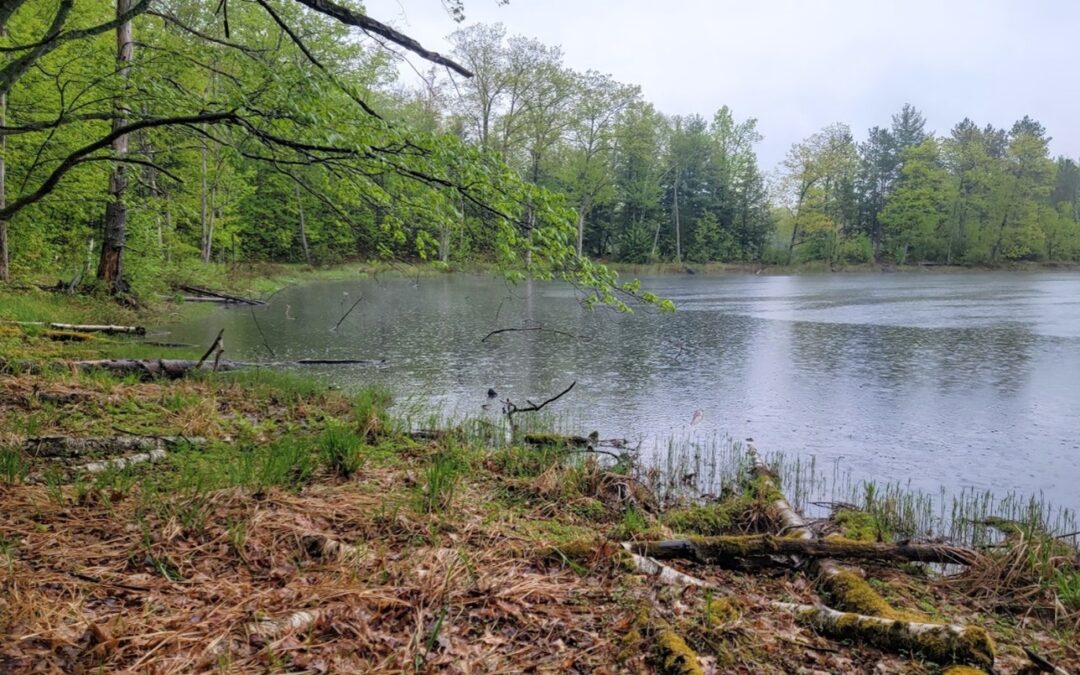
The weekend of May 18th to May 20th was my shakedown hike. It was to try out new gear and to see how I was feeling for my conditioning. Also, it was to try out the food and cold soaking plan. We hiked the Harrison Hills segment which stands out, particularly for its elevation. The highest point of the Ice Age Trail is within the Harrison Hills Segment. This is where the path ascends to an impressive 1,920 feet above sea level. This peak, nestled within the dense forests and rolling terrain of the Harrison Hills, provides hikers with breathtaking views. It also offers a sense of accomplishment. In many ways, this trek felt like conducting business analysis on the effectiveness of my hiking preparations.
The Harrison Hills Segment itself is a treasure trove of natural beauty. It stretches for approximately 13 miles, weaving through a landscape shaped by the last glacial period. As one gains experience with hiking this segment, it becomes evident that every decision influences the journey’s outcome. These decisions are akin to those in business analysis. Hikers can expect to traverse a mix of hardwood forests, sparkling lakes, and marshlands. The diverse ecosystem supports a variety of wildlife. Therefore, it is a prime spot for nature enthusiasts and bird watchers. The trail’s elevation changes are challenging but reward hikers with spectacular vistas.
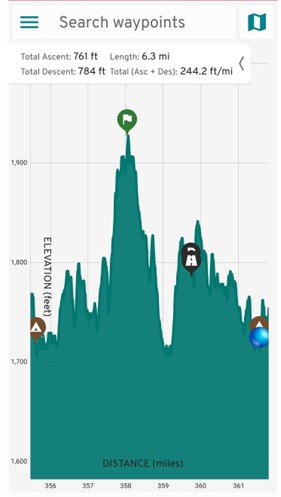
This picture is a picture of our Sunday hike, and you can see the severe elevation changes. After doing this in the rain, with severe weather, I did okay with the elevation changes. My ankles were sore since the trail was steep and slippery. With the bad weather, it was a bit like facing challenges during business analysis. Additionally, I found I did not really enjoy being in a one-person tent during weather like this. Therefore, I will pack a heavier two-person tent since currently there is rain expected.
Weather Conditions
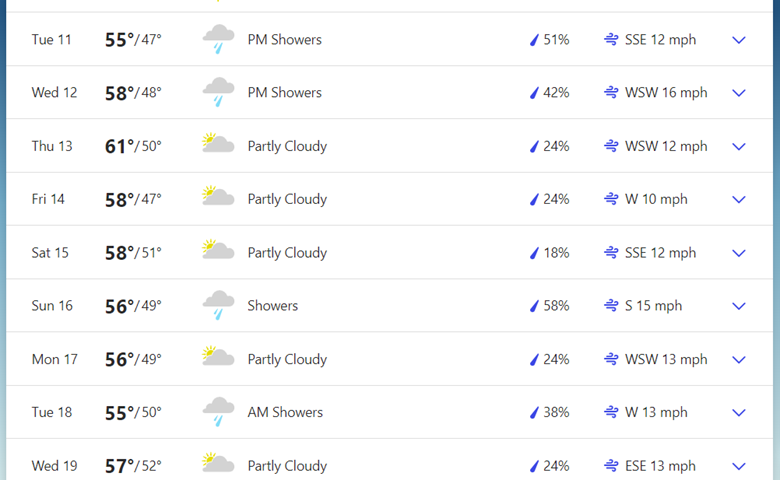
From June 11 to June 19, 2024, Lake Superior’s weather is expected to be cool and breezy. Daytime temperatures will range from 55°F to 65°F, while nights will dip to between 40°F and 50°F. The windchill, especially from the lake, will significantly lower the perceived temperature. This makes it feel up to 10°F colder. Campers sleeping outdoors in tents should prepare for these conditions with adequate insulation and windproof gear. Layering clothing and having a high-quality sleeping bag are essential. It will help stay warm and comfortable during this period.

Water Conditions
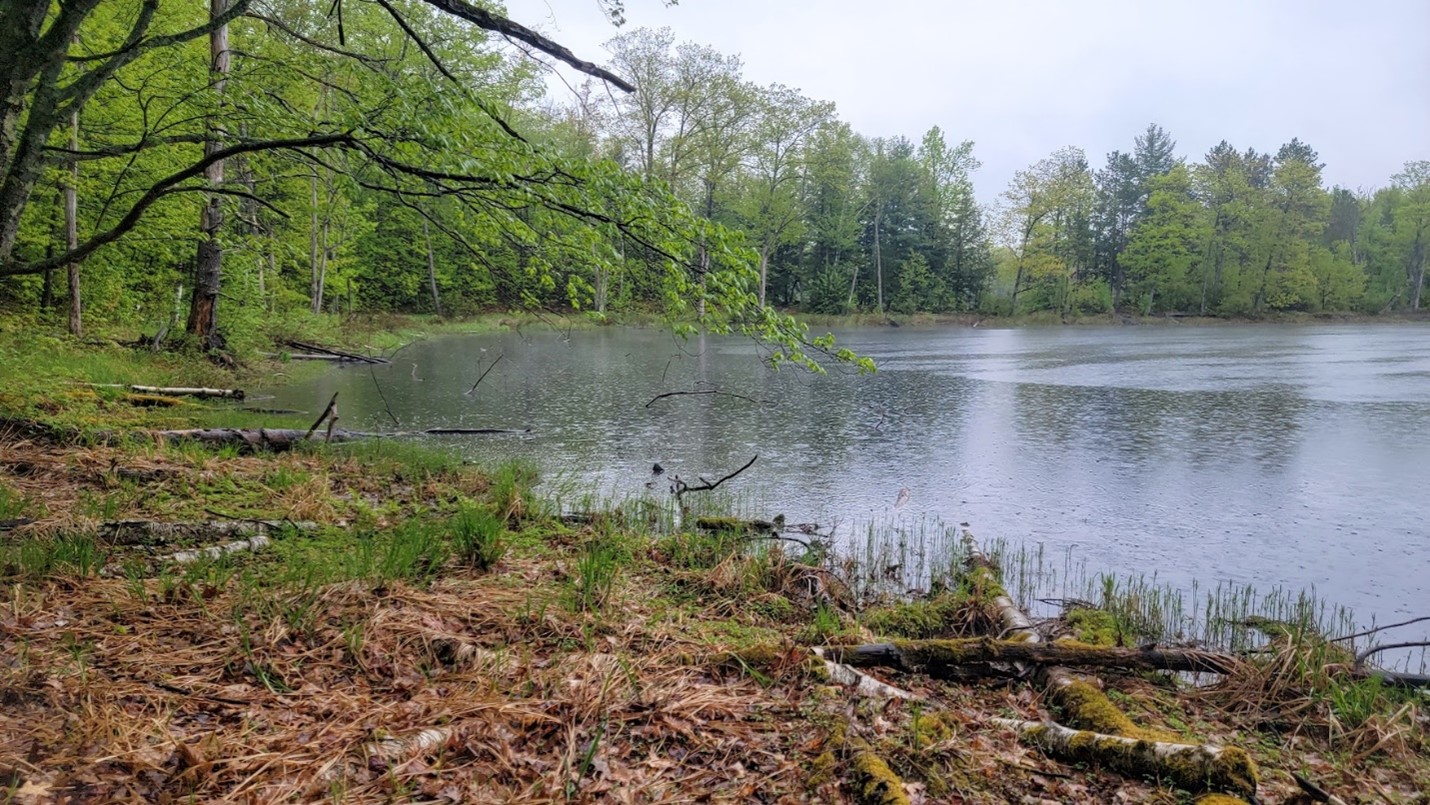
The water quality at Isle Royale National Park is excellent. The surrounding waters of Lake Superior are often cited for their clarity and purity. However, visitors should still take precautions. It is recommended to treat all water from natural sources before drinking. Use methods such as boiling, filtration, or chemical treatment. This is essential to avoid waterborne illnesses. These can occur even in pristine environments. Based on my research and current posts about Isle Royale, the water sources are flowing. There aren’t any reported algae blooms which is key to our planning of our route.
Animal Encounters
Isle Royale is renowned for its diverse wildlife, including moose, wolves, and various bird species. While these encounters can be thrilling, they also require caution and respect. The park service regularly issues alerts regarding animal activity. For instance, the park’s wolf population, though elusive, plays a critical role in the ecosystem. If you do encounter a wolf or a moose, maintain a safe distance and avoid any actions. Any actions that could be interpreted as threatening should be avoided.
Recent reports indicate an increase in moose and wolf sightings near popular trails and campgrounds. The park service posts updates and warnings about animal activity. Additionally, there is a warning on the Isle Royale website about current wolf/human interactions from early June.
Training
As part of my training, I found a group training plan hosted by Outdoor Vitals. It is called the OV 100 challenge. It has been an amazing experience helping me to train. It also helps me share with other peoples experiences. The Outdoor Vitals 2024 100 Challenge is an ambitious and inspiring initiative. It encourages outdoor enthusiasts to embrace nature and push their physical limits. This challenge aims to motivate participants to spend more time outdoors. It sets a goal of completing 100 miles of hiking, running, or any other outdoor activity within the year 2024. It’s a call to action for individuals to reconnect with the natural world and improve their physical fitness. Also, this challenge helps experience the mental health benefits of outdoor activities. These sessions can truly be likened to detailed business analysis. This is likened to measuring performance and results in outdoor scenarios.
The OV 100 program includes comprehensive training sessions. These sessions educate participants on optimizing their meal plans using cold soaking techniques. The focus is on selecting high-energy, nutrient-dense foods that rehydrate well, such as beans, lentils, dehydrated vegetables, and specially prepared grains like couscous and rolled oats. These foods ensure that despite the absence of hot cooking, the dietary quality remains high. This is crucial for sustaining energy on long treks.

Moreover, Outdoor Vitals emphasizes the importance of balancing macronutrients and incorporating a variety of food types. This prevents palate fatigue. It also ensures a range of vitamins and minerals. The training also teaches how to effectively use spices and flavor enhancers to make cold-soaked meals more enjoyable. This turns a simple nutrition strategy into a delightful culinary experience even in the wilderness. This holistic approach to training and nutrition not only enhances the outdoor experience but also promotes a sustainable and health-conscious lifestyle.
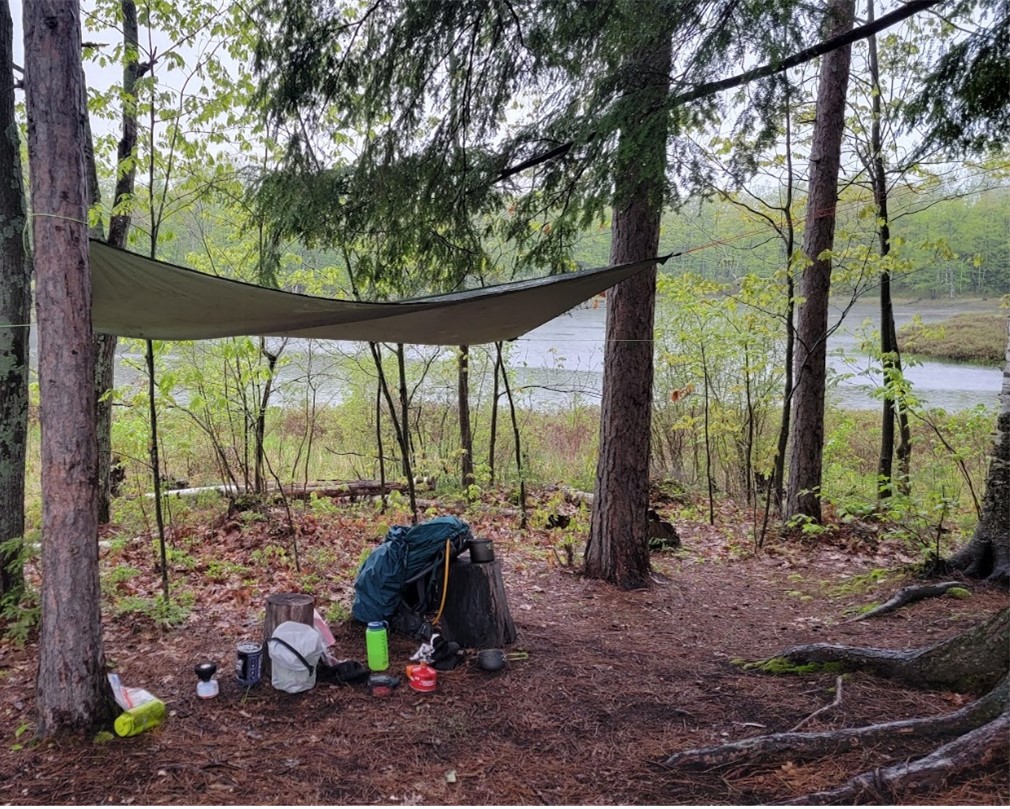
With the things I have learned and experienced, I have made some changes. Unfortunately, I didn’t make my weight goal. I am packed, and the weight of it is 42 lbs. This includes 13 pounds of food, so it should get lighter along the way. It is heavier than I want because I am packing a heavier, roomier tent. Additionally, I am bringing a tarp so I don’t have to stay in the tent the entire time if we are getting rain.
Would you have made the changes I had? Also, would you be willing to add the weight of the larger tent? Resting on this decision felt much like a crucial point in business analysis.