

Part One – Analytical Thinking and Problem Solving
By Retta Witter, Senior Consultant, J. Geiger Consulting, Inc.
Today starts the next blog series, Underlying Competencies, with the series culminating by hosting an evening roundtable for attendees to discuss their thoughts. If there are questions you have for the discussion or would like to participate, please email me or place them in the comments.
This week’s blog is about Analytical Thinking and Problem Solving (International Institute of Business Analysis, 2015).
We use these skills daily both at work and at home. I find these skills can be really challenged at times when working with the business especially if they have the “this is how we have always done it” mindset. I’m also trying to teach my son how to expand these skills as well— I think this competency is needed for everyone.
View fullsize

“Every August my son and I take an adventure trip. I use this trip to help build my relationship with my son and make memories while he is still close to home.”
View fullsize
Every August my son and I take an adventure trip. I use this trip to help build my relationship with my son and make memories while he is still close to home. He’ll be graduating from high school in June of 2021. Over the course of planning these trips, I find that we use the Analytical Skills and Problem Solving competency. Our plan this upcoming summer is to plan a trip to Isle Royale National Park in Lake Superior. There are a lot of items to figure out since we are planning on backpack hiking around.
Analytical Thinking and Problem Solving has seven core sub-competencies:
Creative Thinking
Generating and creating new ideas. Two years ago— our first experience with backpack camping— we went to Grand Island, Lake Superior. This is an island that doesn’t employ the use of vehicles, so we had to figure out how to carry what we needed and wanted on our backs. We slept in hammocks with a rain flyover instead of carrying an entire tent. And did I mention that this island has bears? While as a logical person I know a tent wont really protect you from a bear, it really gives you a bit more piece of mind even if it is a false peace of mind (certainly more than a hammock…).
How do you consider new ideas? Do you use any of the techniques mentioned in the BABOK? Brainstorming is one I like to use and sometimes the crazier I go, the more outside-the-box others are compelled to think think.
Decision Making
We need to know the pros and cons of all available options. Do I want to drive farther and go on a shorter ferry ride or have a shorter drive and a longer ferry ride? Or a float plane ride which is much more costly? There are no less than 3 options to choose from in this example.
How do you make your decisions? Sometimes you can’t please all stakeholders so this competency in particular can be tough.
How do you make your decisions? Sometimes you can’t please all the stakeholders so it can be tough.
Learning
Understand that learning is a process for everyone involved. I’m a kinesthetic (learn by doing) learner so we’ll be doing camping trips where we carry in our gear and then seeing how far we can carry that gear successfully. Speaking of learning by doing, I learned a lot hiking the Ice Age Trail the weekend before last and sleeping in 12-degree weather!
How do learn? Do you know? What about your business team— how do they learn?
Problem Solving
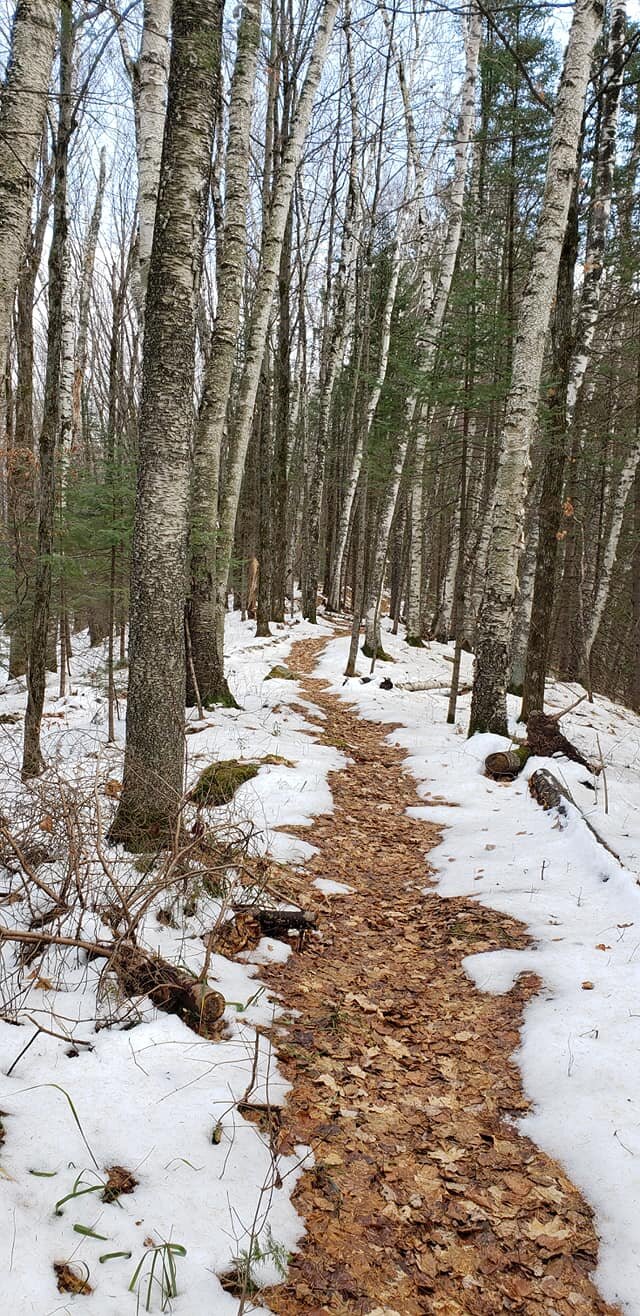
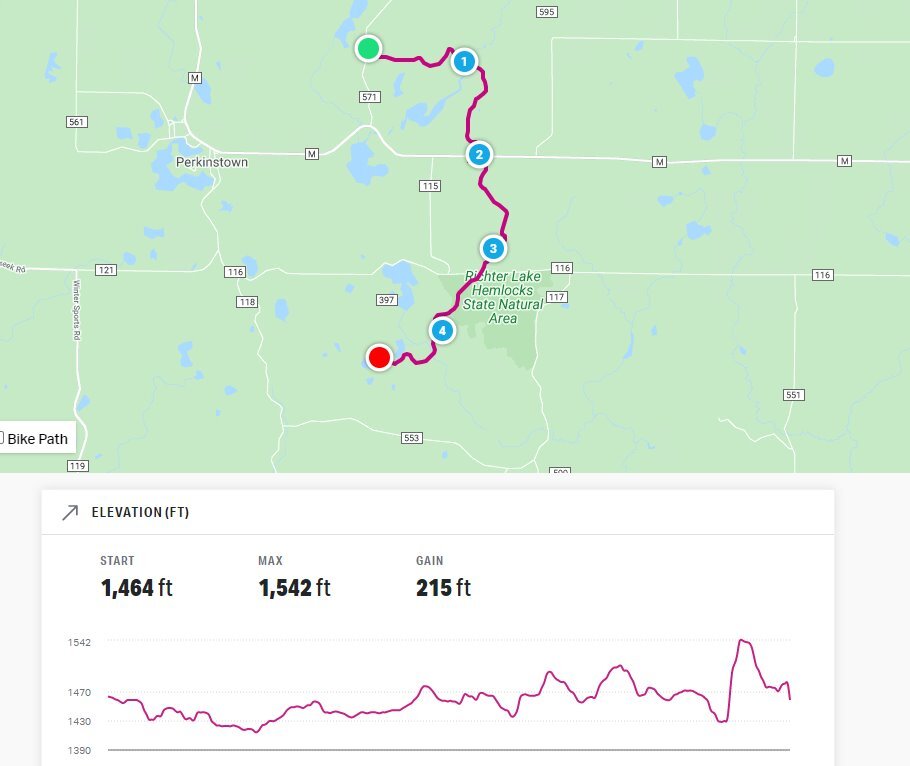
The key part for me on Problem Solving is looking at the root cause of the problem, not its symptoms. We use this in the business world a lot with the Solution Analysis knowledge area. For the Ice Age Trail, I was prepared for the mileage with my backpack. I was prepared for the elevation changes on the hike. I was not prepared for the combination of the two…on the leaf and snow-covered trail.
When working with the business a key to Problem Solving is to avoid make decisions based on assumptions. How do you make sure that the participants are confident in the process?
View fullsize
Systems Thinking
This is holistic thinking. How does one decision/item impact the whole? One of the items my son and I are considering is how the long the trip will be, noting that the key item to take into account is that the campsites only allow a set number of days. Some sites only allow 1 day while others allow 3. Where we stay will impact our hiking plan which will impact our time on the island and what we’ll be doing.
When working with the business, understanding decisions that occur early in the process will impact downstream work. How do you help the business to take that step back and understand impacts?
Conceptual Thinking
This is extremely important skill to have. As you acquire more information, understanding how to fit it into the larger picture is key. For our backpacking trip there are some great historical landmarks we’ll want to visit. It turns out we can use water buses to get to them; however, they don’t run everyday. But they can run 2 times in 1 day. How does that impact our plan of when we get there and when we move on to our next camp site?
When you get a new piece of information from the business how do you help determine where and how to insert it correctly into an existing process or plan?
Visual Thinking
Complex information is shown in a visual way. We’ve been reviewing topographical maps so we understand and even visualize how hard the hike could be. Do we want to be carrying 15% of our body weight in gear on our back up and down a steep hill for days at a time? My answer is: NO!
How are you sharing the information with your business leads? As they say a picture is worth a thousand words.
As a reminder, this series culminates in an evening roundtable event for attendees to discuss their thoughts and share knowledge around Underlying Competencies. If there are questions you have for the discussion or would like to participate, please email me or place them in the comments.
Stop by next week for Part 2: Behavioral Characteristics
Bibliography
International Institute of Business Analysis. (2015). BABOK A GUIDE TO THE BUSINESS ANALYSIS BODY OF KNOWLEDGE (Vol. V3). Toronto, Ontario, Canada.: IIBA